
The Complete Guide to Hospitality Marketing in Australia [2026]
Hospitality marketing Australia is not about posting pretty photos of coffee and hoping people remember you exist. That might have worked when local competition was thinner, Instagram reach was easier, and customers had fewer choices in front of them. It does not work now.
Karolina Kochanska
5/13/202614 min read
People make fast decisions. They check your Instagram before choosing where to meet. They skim your Google reviews before booking dinner. They look at your menu before walking in. They compare your photos, your tone, your website, your specials, your events, your opening hours and the feeling people get from your venue before they ever speak to you. That means your marketing is already doing a job. The question is whether it is doing the right one.
For many hospitality businesses, the answer is no — and not because the food is bad, the venue is weak, or the owner does not care. Most hospitality owners care more than anyone sees. The problem is that marketing has been treated as something separate from the business. A post goes up because the page has been quiet. A menu item gets photographed because someone remembered at the end of service. A caption gets written in a rush. The website gets updated when something breaks. The specials board changes in venue, but nobody says anything online. The catering offer exists, but nobody knows about it. The private function room sits there waiting for enquiries that should have been warmed up months ago. That is where the money slips away. Good hospitality marketing gives people enough reason to visit, book, order, enquire and come back, without making the owner feel like they have to post something every five minutes.
What Hospitality Marketing Really Needs to Cover:
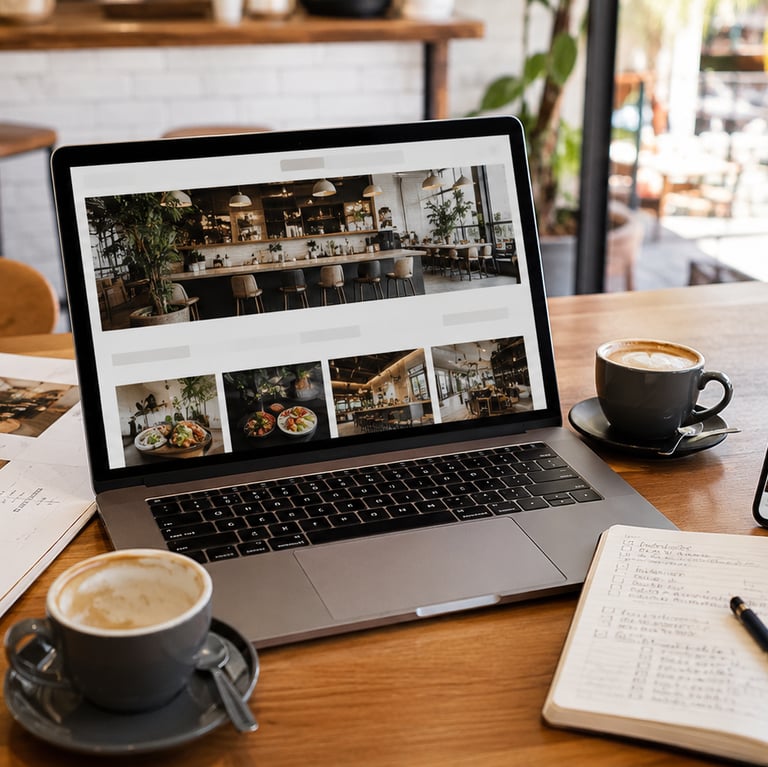
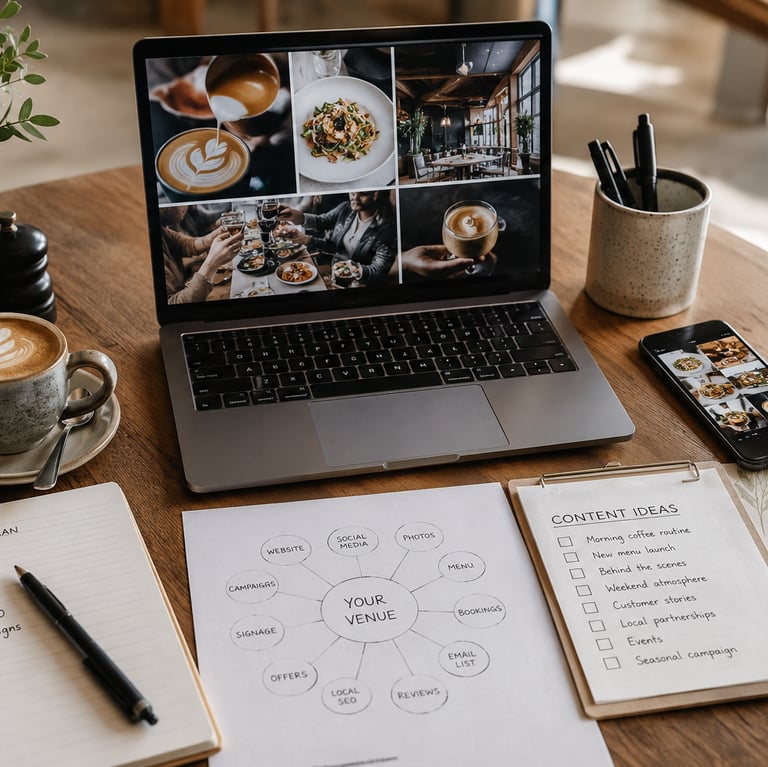
Hospitality marketing is the way your venue shows people why they should choose you before they walk through the door. It includes your website, social media, Google profile, photos, menu, booking flow, email list, blog writing, local SEO, offers, campaigns, signage, customer reviews and the way your brand sounds across all of it. It is not one Instagram post. It is the whole picture.
For a café, that might mean making the morning coffee routine feel easy, familiar and worth choosing over the place down the road. For a restaurant, it might mean showing the atmosphere, the food, the occasion and the service clearly enough that someone books this weekend instead of saving you for "one day." For a bakery, it might mean making the product range obvious, showing what sells out, explaining how pre-orders work, and giving people a reason to come in before 11am. For a bar or wine venue, it might mean building campaigns around mood, events, group bookings, after-work drinks, date nights and seasonal menus. For a caterer, it might mean proving reliability before someone trusts you with a wedding, corporate event or family celebration.
Different business, different customer decision, different job for every word and image you put out. That is the part many hospitality businesses miss. They copy what other venues post, then wonder why it does not bring in the right customers. Your marketing needs to match how your customers decide — not how another venue down the road decided to run their Instagram.
Why Hospitality Marketing So Often Falls Flat:
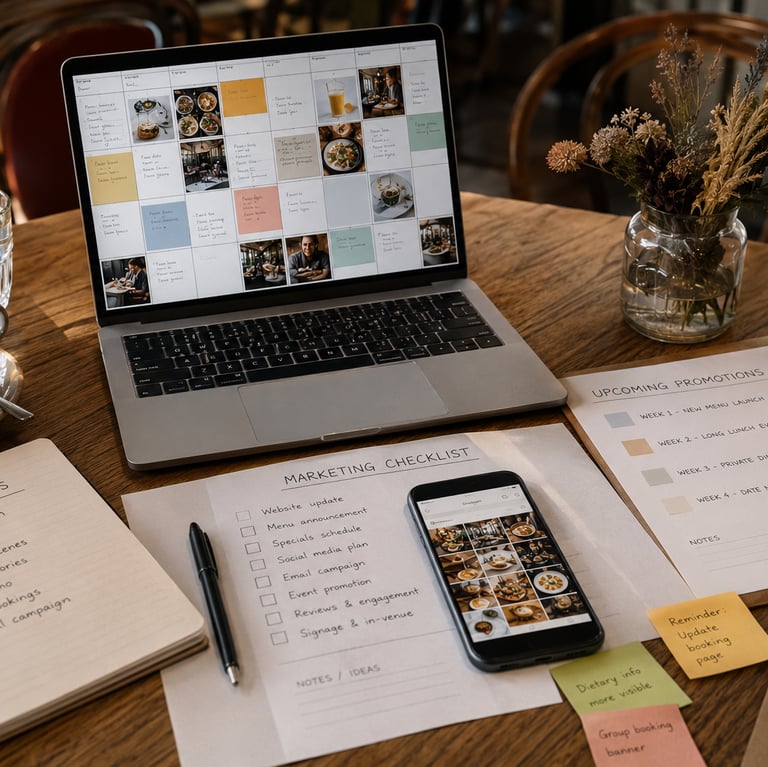
Most hospitality marketing falls flat because it is made too late and planned too loosely. The special is posted after service starts. The new menu gets one announcement and then disappears. The event gets a push three days before it happens. The private dining offer is buried on the website. The catering package is mentioned once, then forgotten. The Instagram feed looks active, but it does not answer the questions people have before they spend money.
There is a real difference between being busy online and being useful online. Think about what your customers want to know before they commit — whether they can book online, whether the venue works for groups, whether you handle dietary needs properly, what the atmosphere is like on a Friday night, or whether you can sort a corporate lunch for ten without it becoming a headache. Most venues answer those questions in person every single week, then fail to put the answers anywhere online. Every time that happens, it is a missed opportunity.
If your staff keep explaining the same thing to customers, that is a service page waiting to be written. If people consistently misunderstand what you offer, that is a website copy problem. If a profitable part of your business is invisible online, that is a campaign waiting to happen. Good hospitality marketing takes what already exists inside the business and turns it into clear, useful communication that works before the customer walks in.
Food Photos Are Not a Strategy:
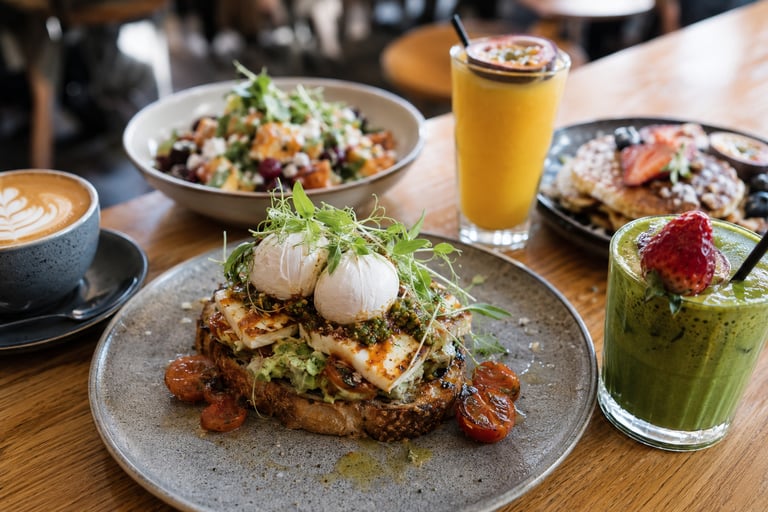
Food photos matter. Bad photography hurts hospitality businesses and there is no way around that. People make visual decisions fast, online more than anywhere. But a feed full of food shots alone is not a marketing plan, and treating it like one is one of the most common mistakes venues make.
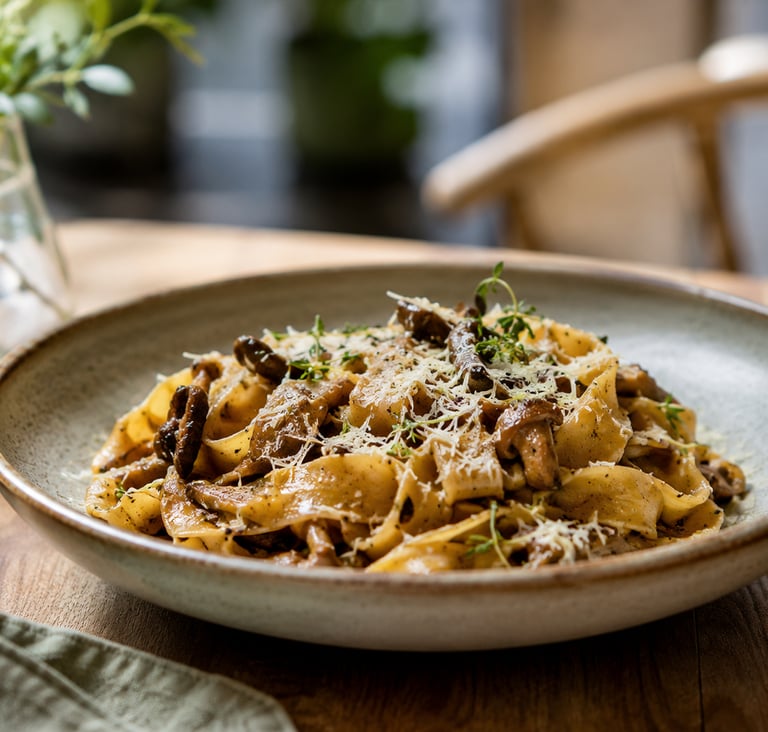
A plate of pasta tells me what you serve. It does not tell me why I should choose you over the three other Italian restaurants I have already looked at today. A coffee shot tells me you sell coffee. It does not tell me whether this is a quick takeaway stop, a slow brunch place, a local meeting point, or the café I should send my whole team to for a catering order. A gelato photo tells me the product exists. It does not tell me what makes the flavour range worth following, whether the store is fun for families, whether there are seasonal launches, whether I can order a cake, or whether this is somewhere I should remember for next weekend.
A strong hospitality presence needs more than product visibility. It needs context, reason and repetition. It needs to show the experience around the product, not only the product sitting on a bench looking nice. That does not mean every post needs to be layered or complex — a clean product photo with a sharp caption can do a lot of work. But if every post is "look at this dish," the feed becomes a menu without a conversation. People need more than a menu. They need a reason to act on it now, and that reason rarely lives in the photo alone.
What Your Website Needs to Do:
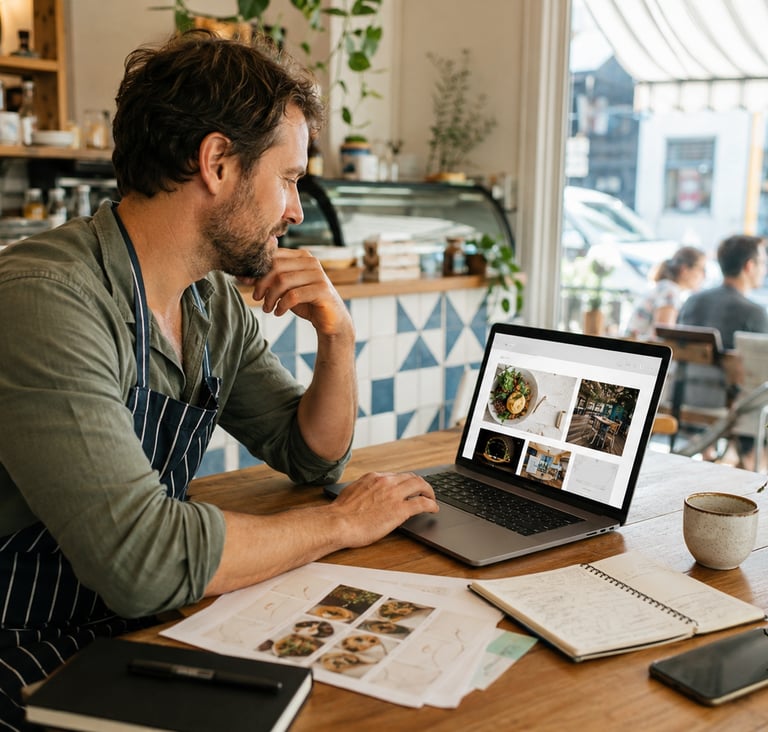
A hospitality website does not need to be complicated. It needs to be clear, and those two things are not the same. Many venue websites make people work too hard. The menu is buried. The booking button is easy to miss. The opening hours do not match Google. The catering information is nowhere. The events page has not been touched in months. The homepage says "fresh, local and passionate" without explaining what the business is or who it is for. Customers do not have patience for any of that, and most of them will leave before they figure it out.
Your website should answer the main questions fast — what are you, where are you, when are you open, can I book, can I see the menu, do you offer takeaway or delivery or catering or private functions, what kind of experience should I expect, and how do I get in touch. The booking prompts should be obvious. The service pages should be easy to find. If you are a café, make your location, menu, catering offer and opening hours the easiest things on the page. If you are a restaurant, push bookings, menus, private dining, events and gift vouchers. If you are a bakery, support pre-orders, custom cakes, wholesale, catering and seasonal products clearly. If you are a venue, make the functions process feel straightforward from the first click, not something people have to email three times to understand.
Your website should not sit there like a polite brochure. It should reduce friction at every step and make it easy for people to do something — book, order, call or enquire.
What Your Social Media Needs to Do:
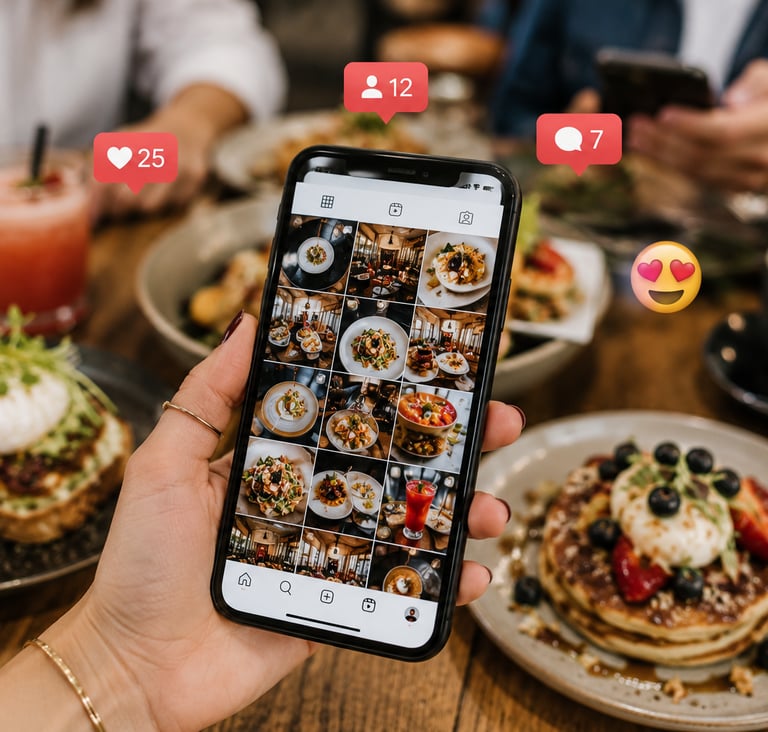
Social media for hospitality has a clear set of jobs. Keep you visible. Make people hungry. Build familiarity. Show the experience. Push booking prompts, event announcements and menu updates. Answer questions before people have to ask them. Remind people to act. That is the whole brief, and most venues either do not know it or forget it the moment someone hands them a phone to post something.
The problem starts when social media becomes random — a reel here, a food photo there, a reposted story, a staff shot, a menu update, then two weeks of silence. That pattern might keep the page looking alive, but it does not build anything. A stronger approach draws from a proper mix: product and menu posts, behind-the-scenes moments, venue atmosphere, booking prompts, seasonal campaigns, function and catering service pages promoted through posts, Google profile updates reflected in social copy, staff and founder stories, local community touchpoints, and reviews used as proof. Not every venue needs all of this every week, but every venue needs more than whatever gets posted when someone remembers to post. If it does not connect to a business goal, it probably should not be there.
Why Local SEO Matters More Than Most Venues Think:
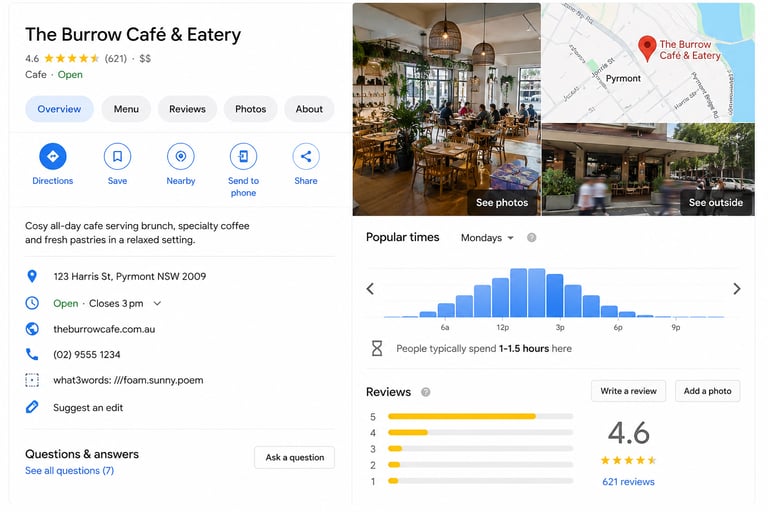
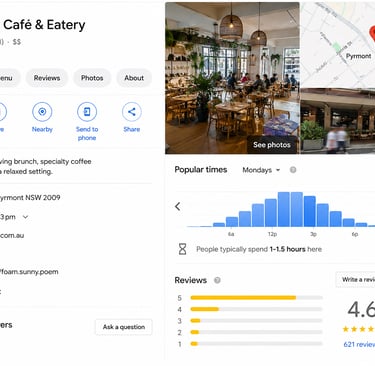
Google drives a significant amount of hospitality decisions and most venue owners underestimate how much. People search for "café near me," "best bakery in Parramatta," "Italian restaurant Sydney," "bottomless brunch near me," "birthday dinner restaurant," "corporate catering Sydney," "wedding catering Blue Mountains" and "private dining room near me" every single day. If your business does not appear clearly in those results, someone else gets the enquiry — and they probably did not work harder than you, they just showed up better online.
Local SEO covers your Google Business Profile, customer reviews, website copy, menu wording, suburb and service keywords, individual service pages for catering or functions or events, image file names, internal links and consistent business details across every platform. A restaurant should not rely entirely on Instagram. A café should not rely entirely on foot traffic. A bakery should not rely entirely on loyal regulars. A caterer should not rely entirely on word of mouth. Word of mouth is still powerful, but people check online before they trust any recommendation. Your Google profile and website have to back that up.
One Post Is Not a Campaign:
Hospitality businesses have natural sales moments built into the calendar — Mother's Day, Father's Day, Valentine's Day, Christmas parties, EOFY lunches, school holidays, summer menus, winter specials, Melbourne Cup, local festivals, new menu launches, birthday offers, catering seasons and private function pushes. Most venues acknowledge these moments. Very few plan them properly, and the difference in revenue between those two groups is significant.
A proper campaign gives customers time to notice, understand, decide and act. Take Mother's Day as an example. Done well, it moves through an early booking announcement, a post walking through the menu, a reel showing the venue atmosphere, a reminder about limited availability, a post handling common questions about dietary needs or group sizes, a final booking push, and a follow-up showing the day itself. That structure is not overthinking — it is giving the offer enough room to work. A single post the week before is not a campaign. A story with a link is not a campaign. A flyer uploaded to Instagram on the Thursday before is not a campaign. Customers are busy, and they need multiple touchpoints before they commit. The venues that plan for that are the ones that fill the seats.
Email Is Where a Lot of Venues Leave Money Behind:
Most hospitality businesses put everything into social media and treat email as optional. That is a mistake worth fixing, because social media is borrowed reach that can shrink overnight, while email is closer to a direct line to people who already like your business and have chosen to hear from you.
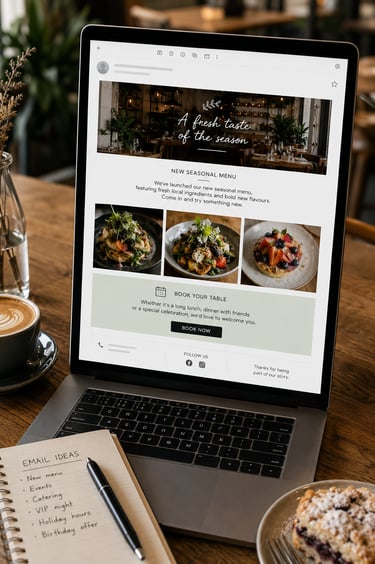
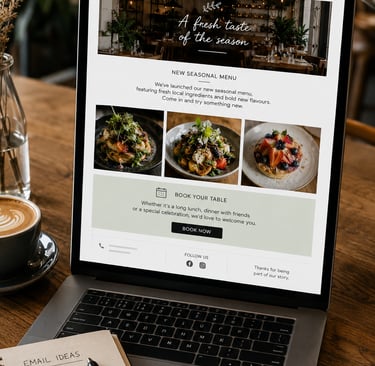
You do not need to send emails every week or build something complicated. You need useful reasons to reach out — a new menu, a seasonal offer, an event night, a catering reminder, a function package, holiday booking windows, a birthday offer or a VIP preview. A good hospitality email should feel like it came from the venue, not from a marketing template. Clear subject line, a strong reason to open, a simple message and one obvious next step. For restaurants, email reminders can fill mid-week bookings that would otherwise sit empty. For cafés and bakeries, they can move seasonal products and catering orders before the rush hits. For venues, a well-timed email to past enquiries can book out a function calendar months ahead. If people already trust your business, give them a direct reason to come back rather than leaving all of that to an algorithm you do not control.
Reviews Are Part of Your Marketing:
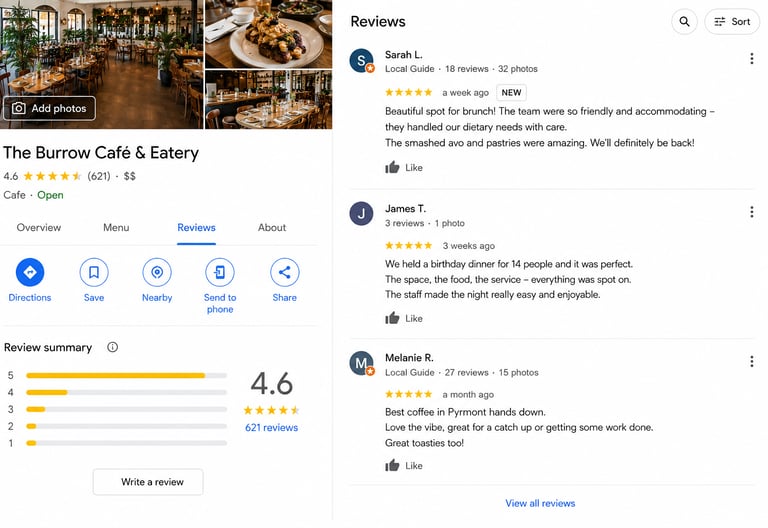
Hospitality owners know reviews matter, but many treat them as background noise rather than something worth actively managing. Reviews influence trust before a customer ever contacts you, and they also tell you things your marketing copy should already be saying.
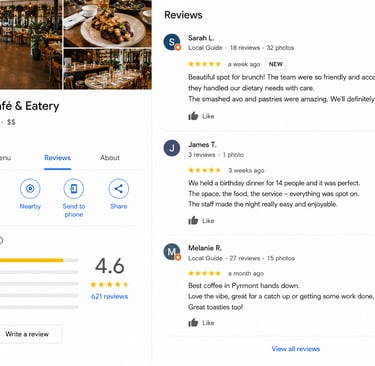
A strong review might mention the staff by name, describe how the venue handled a dietary request, explain why the space worked perfectly for a group booking, or capture the atmosphere in a way your own website copy has not managed to yet. That language is worth paying attention to. If customers keep praising the same thing, your website copy and Google profile should say more about it. If reviews keep flagging the same confusion, your service pages need to address it. If a review mentions a profitable service you barely promote — catering, functions, wholesale — that is an opening sitting right in front of you. Reviews are not just reputation management. They are research, and the venues that use them that way get a lot more out of them.
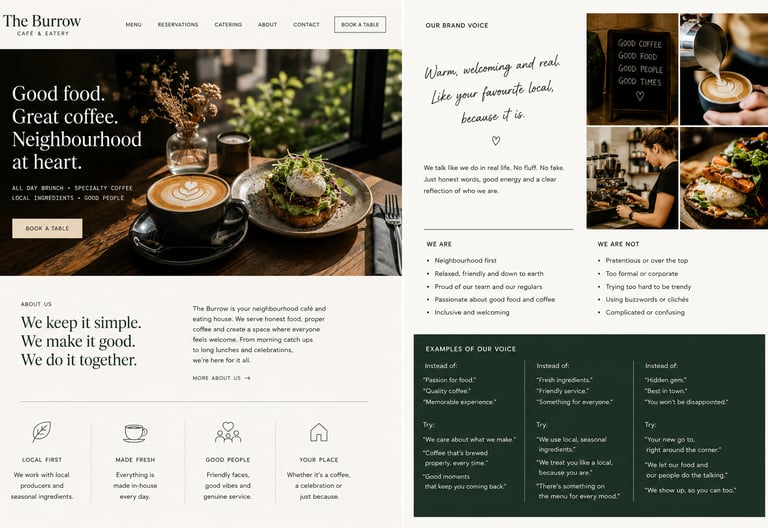
Your Brand Voice Matters:
Hospitality is full of generic language. Fresh ingredients. Friendly service. Passion for food. Something for everyone. Local favourite. Hidden gem. Quality coffee. Memorable experience. None of those phrases are technically wrong, but they are so overused that they have stopped meaning anything. Customers read them and move on.
Your brand voice needs to sound like your business on its best day. A neighbourhood café should not sound like a luxury hotel. A playful dessert shop should not sound like a corporate catering company. A fine dining restaurant should not sound like a takeaway burger bar. A bakery with a cult following should not flatten itself into safe, polite website copy that could belong to anyone. People feel immediately when the words do not match the business — it creates distance before the customer has even visited. Strong hospitality marketing is clear, specific and recognisable. Not forced. Not borrowed from whoever is doing well on Instagram right now. Yours.
What a Strong Hospitality Marketing System Looks Like:
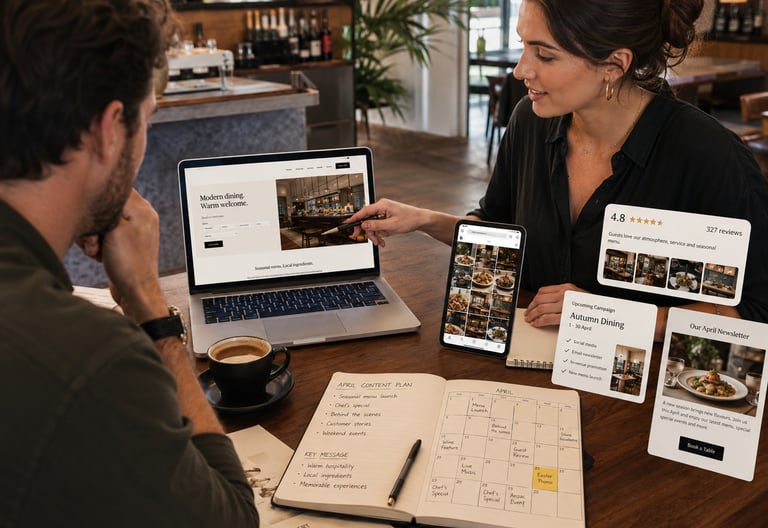
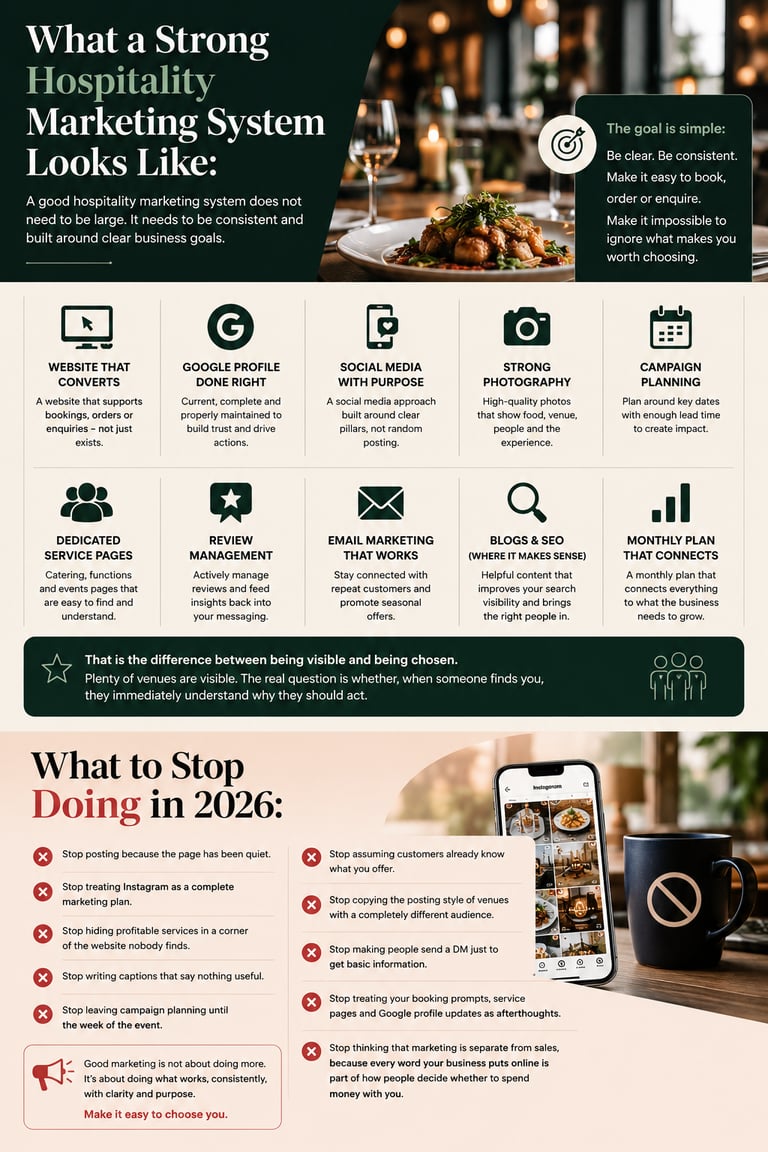
A good hospitality marketing system does not need to be large. It needs to be consistent and built around clear business goals. At minimum, you want a website that supports bookings, orders or enquiries rather than just existing. A Google profile that is current, complete and properly maintained. A social media approach built around clear pillars rather than random posting. Strong photography that shows food, venue, people and experience. Campaign planning around key dates with enough lead time to work. Dedicated service pages for catering, functions or events that are easy to find. Review management that feeds back into your messaging. Email support for repeat customers and seasonal pushes. Blog writing or SEO work where it makes sense for your search visibility. And a monthly plan that connects all of it to what the business needs to grow.
That is the difference between being visible and being chosen. Plenty of venues are visible. The real question is whether, when someone finds you, they immediately understand why they should act.
What to Stop Doing in 2026:
Stop posting because the page has been quiet. Stop treating Instagram as a complete marketing plan. Stop hiding profitable services in a corner of the website nobody finds. Stop writing captions that say nothing useful. Stop leaving campaign planning until the week of the event. Stop assuming customers already know what you offer. Stop copying the posting style of venues with a completely different audience. Stop making people send a DM just to get basic information. Stop treating your booking prompts, service pages and Google profile updates as afterthoughts. And stop thinking that marketing is separate from sales, because every word your business puts online is part of how people decide whether to spend money with you.
Start With the Customer Decision:
Before you plan another post, write another caption or brief a photographer, start with one question: what does someone need to understand before they book, visit, order or enquire? A restaurant customer may need to know whether the space works for a birthday dinner for fifteen people. A café customer may want to know whether they can grab something quickly before work or whether the place is always packed. A bakery customer may need to understand how far in advance to order a celebration cake. A catering customer may want to know whether you can handle dietary needs, delivery, quantities and timing without making the whole process stressful. That is where stronger hospitality marketing starts — not with "what should we post today?" but with "what does the customer need to know before they feel ready to act?"
If you want more bookings, your website copy, booking prompts and social media need to show the experience clearly and remove every reason to hesitate. If you want more catering enquiries, your service pages need to explain the offer, show the food, describe the occasions it suits and make the enquiry process feel easy. If you want more weekday visits, your campaign planning and Google profile updates need to give people a specific reason to come in on a Tuesday rather than waiting for the weekend. If you want more group bookings, every touchpoint needs to show groups, menus, space and the confidence that you can handle it. If you want more repeat customers, your email reminders and social posts need to keep your business in front of people who already liked you the first time. Every goal needs a different approach, and that is exactly why generic posting fills a feed without filling a room.
Hospitality Marketing Does Not Need to Be Louder:
Most hospitality businesses do not need more output. They need clearer website copy, better campaign planning, stronger service pages, booking prompts that convert, email reminders that reach people at the right moment and a Google profile that works as hard as the team inside the venue.
Your food can be good. Your service can be strong. Your venue can have genuinely loyal customers. And your marketing can still be leaving money on the table because the right things are not being said clearly enough, in the right places, at the right time. That is the part worth fixing. When hospitality marketing works properly, it does not feel like noise. It feels like the customer already understood why they should choose you before they ever walked in.
Work With No Worries Digital:
No Worries Digital works with hospitality businesses that are done posting without a plan. We build clear marketing systems — website copy, social media strategy, campaign planning, blog writing, email reminders, service pages and Google profile work — that connect directly to bookings, catering enquiries, function leads and repeat visits.
We know the difference between a café trying to fill the quiet mid-morning slot and a caterer trying to get in front of corporate clients before EOFY. We know what a bakery needs to say to sell out a seasonal product and what a restaurant needs to show before someone books a table for twelve. That category knowledge is what makes the difference between marketing that looks busy and marketing that brings people in.
If your marketing is active but not working hard enough, the fix usually starts with getting the strategy right. Once the strategy is clear, the rest stops feeling like random posting and starts behaving like part of the business.